

Chapter 32 —The Setting of the Bone
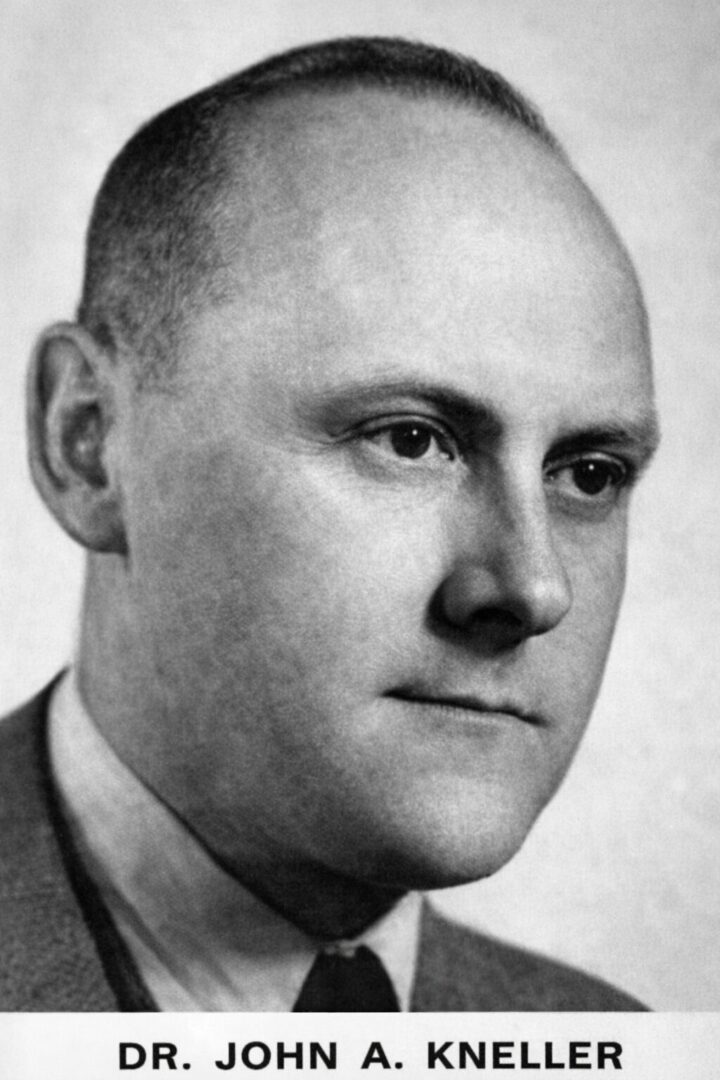
Dr. John A. Kneeler (1889–1946), a physician in Attica, New York, who began his practice in 1913.
The Washing Machine
Rosa’s new washing machine held a quiet fascination within the household, especially among the boys. Nearby, young Fred lingered, drawn not to the work itself but to its motion.
He had watched the machine from a distance, noting how each part moved with purpose. The motion seemed contained, but not still—the turning carried something of its own force.
That day, he stepped closer.
The motor ran steadily beneath the tub. Along the side, the motion showed more clearly—a turning shaft, moving without pause, its force carried forward to the agitator, unbroken.
Fred crouched slightly, his eyes following the movement.
For a moment, he only watched.
The Accident
Then, as boys do, he reached out.
His hand met the turning shaft before he could draw it back. The motion took hold at once—quick, stronger than he expected. There was no time to stop it. The force carried through his arm in a sudden twist.
The machine did not stop.
A sharp sound cut through the steady rhythm, and pain shot through his right arm.
He pulled away, his arm held close as the pain grew.
Rosa turned at once. The machine continued to run.
She saw his face, then his arm—held close, no longer straight.
For a moment, something in her stilled.
She had seen him hurt before—water too hot, a moment gone wrong. The memory did not return in full, only the sense of it, the way it had begun without warning.
Then she stepped forward.
“Go get your father.”
One of the boys was already moving.
She turned to the machine and reached for the switch. The motion slowed, then stopped. The cellar fell quiet, except for Fred’s breathing.
George came in from his work, his pace quick, his expression set.
Fred stood with his arm drawn in, trying to explain what had happened, his words uneven.
He faltered, then started again, as if the telling might make it right.
It had happened too quickly—something he should have seen, should have known.
His jaw tightened. He did not look at his father, and after a moment, he said no more.
George looked once, then again.
They would take him to Doc Kneeler.
Rosa nodded. There was no hesitation.
George and Albert steadied Fred and helped him into the Ford Model T—the same truck that had carried the washing machine home.
Fred sat beside his father, his arm held as steady as it could be. The pain had settled into something steady now, present in every movement.
George said nothing, but the cost was already in his mind—another expense he could ill afford.
Dr. Kneeler’s Office
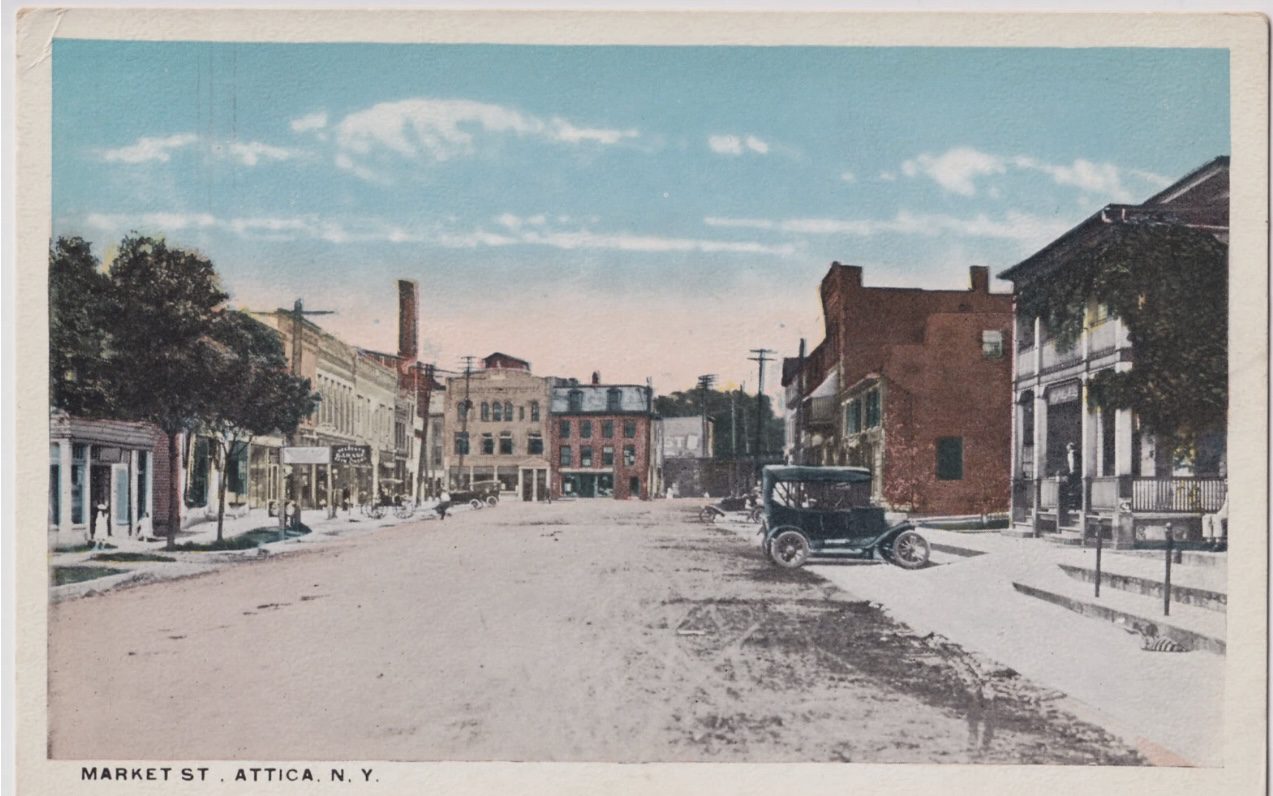
Within minutes, George arrived at 50 Market Street, the home and office of Dr. John Kneeler, a graduate of the University of Buffalo Medical School who had begun his practice in Attica in 1913 at the age of twenty-four.
The truck came to a stop in front.
The house stood close to the road, with only a short walk from the truck to the front steps. Inside, the front room faced the street and had been arranged for patients, its chairs set neatly near the windows. But Fred passed through it with scarcely a glance.
They waited only a short while.
When it was Fred’s turn, they followed Dr. Kneeler into the examination room behind. Light entered through a side window, falling across the table.
Beside a treatment table covered in white stood a glass-front cabinet, a washstand, and a small table laid out with bandages, enamel trays, instruments, and medicines.
George gave the account of the accident.
Dr. Kneeler listened without interruption. Then, without haste, he began the examination, his manner direct and measured.
He took Fred’s arm in his hands, supporting it as he assessed the injury.
Fred held himself tight at first, then yielded slightly under the doctor’s hands. He watched closely.
Releasing his arm, he confirmed it was broken and would need to be set.
Fred glanced at his father. His expression was stern, unchanged.
Setting The Break
Dr. Kneeler turned to the small table and reached for a bottle. He prepared the ether and brought it near.
“Breathe slowly,” he said.
The sharp scent rose as Fred drew it in. The room seemed to shift, the edges softening. His eyes closed.
George remained beside him.
When the doctor returned to the arm, his movements were steady and exact.
For a moment, nothing moved.
Then, with controlled force, he set the bone.
Fred’s body tightened, then eased.
The doctor did not pause. He reached for the bandages, dipped them in water, and wrapped them over the padding, layer by layer, shaping the cast as he worked, his hands steady.
He held it in position as the plaster began to set.
Only then did he release it.
George thanked the doctor.
Fred stood beside him, the ether still lingering, his arm secured and held close.
They stepped out into the light, the door closing quietly behind them.
Return Home
The truck came back into the yard as it had left, the engine slowing as George brought it to a stop.
The children were already at the door.
They watched as Fred stepped down, his arm held close in a cast.
No one spoke at first.
Rosa moved ahead of them and opened the door.
They stepped back.
Fred passed between them and went inside. Paul and Herb reached toward the cast, then hesitated.
George followed, closing the door behind him.
It was made clear that no one was to go near the washing machine.
The words were plain, but they carried.
The children nodded.
No one asked questions.
Arnold and George, Jr. turned back toward the barn.
Without being told, they took up the work Fred could not do.
Note: This account of Fred Schmieder’s broken arm weaves together oral history, documented events, and family memory. It reflects the historical record where available, alongside lived experience remembered and passed down through the family, recognizing that no single account can fully capture their lives across time.
Frederick Schmieder