

Chapter 13: A Day of Memory – Rosa’s Reflections on Auction Day
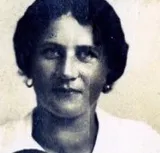
Rosa Beck Schmieder – A Life of Quiet Mercy, Forged in Work and Sacrifice
This chapter is a continuation of reflections on December 7, 1928, as they recount their experiences living on the rented Kreutter Farm, which later became the home of the Kautz Family, situated on Hall’s Hill in Alexander, New York. Through these narratives, we witness the hardships and triumphs they faced, marked by anticipation for the auction of the neighboring Phelps Farm on this pivotal day.
Rosa’s Reflections:
From Blossoms to Blood: A Mother’s Memory of Spring
The first light of morning barely touched the windows as Rosa returned to the kitchen, cradling little Herbie, who had drifted back to sleep. She scraped the frost from the old window, her breath clouding in the cold air as she peered outside. The crisp December winds swept across Hall’s Hill, tugging at the icy branches of the cherry trees lining the driveway, their twisted limbs etched sharply against the cold, gray sky.
A wave of nostalgia washed over her as she recalled a vibrant spring day. The trees had been in full bloom, their soft petals glowing against the clear sky. The yard and pastures were dotted with dandelions, shining like tiny suns in the warm sunlight. Fred and Arnold had played outside with the family’s coon dog, their laughter ringing through the air. But that joy was suddenly shattered by a piercing scream and frantic barking.
Rosa’s heart lurched as she dropped everything, her body reacting instinctively to the sound. Since Fred’s scald injury, she had become hyper-vigilant to every cry and call from her children.
Arnold stood frozen, tears streaking down his face, blood trickling from a bite on his cheek. Fred stood nearby, pale and wide-eyed, his small hands clenched tightly at his sides. Rosa’s arms flew to them, pulling them into the warmth of the kitchen.
With a steady hand, she washed Arnold’s wound with soap and warm water, though her own fear rose like a knot in her chest. She dabbed iodine on the wound, her movements precise despite the storm of panic inside her. As the bleeding began to slow, a sigh of relief escaped her, though a deep sorrow coiled tightly in her heart. The grief of seeing her children in distress, whether from injury or illness, never truly faded. It lingered in every moment—quiet, constant, and unrelenting.
The Orchard in Her Heart
Rosa’s thoughts drifted back to early July as her eyes caught sight of the barren branches of the trees. In her memory, she stood in the orchard, where the cherry trees hung heavy with fruit, their branches sagging under the weight. The children played barefoot in the tall grass, Hilda holding little George’s hand while Fred and Arnold chased each other, their laughter echoing in the warm summer air.
Though seven months pregnant, Rosa moved with quiet determination through the grass, carefully helping to fill baskets while pausing to feed cherries to little Paul and George Jr. The sun warmed her shoulders, offering welcome relief as Fred and Arnold climbed the trees, their laughter mingling with the creak of branches under their weight. They plucked the ripe, dark fruit with a sense of daring, while Hilda, steady and methodical, gathered from below.
Rosa smiled as she handed more pieces of juicy cherries to Paul and George, their faces lighting up with delight. The baskets gradually filled, symbolizing the season’s bounty, while the simple joy of the moment filled her heart. It was a fleeting but peaceful time—a reminder of the quiet blessings amidst the hard work of farm life.
That afternoon, while the children played in the shade, Rosa worked in the kitchen. The aroma of cherry kuchen began to fill the house as her wooden spoon stirred the batter, and fresh cherries were gently pressed into the top of the pan. The warmth of the oven contrasted with the coolness of the day outside, and the sweet scent drifted through the open windows. When George, Albert, and Benny Feist returned from the fields, the kuchen was still warm on the table. Albert took a bite, his eyes lighting up with delight. “These cherries would make fine schnapps,” he said, a familiar story slipping into conversation, one that had been told many times before.
A Still Memory: How the Schnapps Still Went Still
George and Rosa chuckled as they encouraged Albert to share the familiar tale of his brief business venture with his brother Jakob back in Germany. Although the story had been told many times, it always brought smiles and laughter.
Albert leaned back in his chair, adjusted the straps on his overalls, and offered a half-grin. He explained how the two brothers built a small still behind the barn, where they distilled schnapps from fermented fruit—apples, cherries, and plums. Initially, it was just for family use, meant to warm them during the long winters, but word quickly spread, leading to a modest clientele. The extra cash provided welcome relief during lean times.
The warmth of the fire crackled in the background as Albert’s voice softened, taking on a more reflective tone. It didn’t last long, he explained. The venture soured when a dissatisfied customer refused to pay. Sharp words were exchanged, tempers flared, and within days, a knock came at the door from the local officials.
The still was dismantled, putting an abrupt end to their flourishing business. Yet, the tale of the still and the rich taste of homemade schnapps lived on, retold with a mixture of humor and nostalgia.
A Recipe for Disaster: Albert’s Earthworm Experiment
Rosa couldn’t help but chuckle as she shared a lighthearted story about her brother’s childhood misadventures. Albert’s curiosity often led him to try various, sometimes questionable, ideas. One day, convinced he had devised a brilliant plan, he decided to cook earthworms.
Excited by the prospect, he eagerly dug into the soft earth, pulling out wriggling worms and filling a small bucket. With a sense of triumph, he ventured to one of the barns, gathered a pile of dry twigs and branches, and began to light a small fire. As the flames crackled, Albert proudly placed his worms on the fire, hoping they would cook into something resembling the meals he had seen on the family table.
But things quickly spiraled out of control. The fire spread rapidly, igniting the dry hay and wood inside the barn. What had begun as a small flame quickly evolved into a roaring blaze. Albert stood frozen for a moment, his eyes wide in disbelief, as flames consumed the barn. Panic set in as he hurried to extinguish the fire, realizing that his culinary experiment had turned into a full-fledged disaster.
Within moments, the barn was overwhelmed by smoke and fire. What began as an innocent curiosity had landed Albert in serious trouble. Rosa paused for a moment, shaking her head with a smile, remembering their father’s expression as he looked at the results of Albert’s ambitious experiment.
An Expensive Pheasant Dinner
On a cold, snowy day, with the brisk northwest wind blowing the accumulating snow across Hall’s Hill, Albert couldn’t resist teasing George about his run-in with the authorities.
He was outside when he noticed an injured pheasant lying helplessly by the side of Alleghany (Alexander) Road. The bird, its feathers matted and one wing twisted awkwardly, seemed too weak to fly away. George carefully scooped it up and carried it home to Rosa. We’ll have a good meal tonight, he thought to himself, though he didn’t realize the trouble it would soon bring.
Rosa, the seasoned and thrifty cook, plucked and cleaned the bird, unaware of the potential consequences of serving an out-of-season pheasant. She roasted it in her stove’s oven, and the savory aroma filled the house, making their mouths water. Dinner felt like a rare treat during those early days, a warm blessing amidst the harsh winter and the struggles they faced.
Although George intended no harm, the report from the passing motorist felt like a slap in the face. By the time they sat down to their meal, the authorities had arrived at their doorstep, issuing a fine for the out-of-season pheasant. George, embarrassed and flustered, couldn’t help but laugh at the absurdity of it all.
Rosa smiled wryly as they recalled their pheasant dinner on that snowy day. What started as a seemingly innocent act escalated into an unexpected legal lesson, one that came at a cost they could hardly afford to bear.
Outhouse Races and Other Morning Adventures
The quiet of the early morning quickly gave way to a flurry of activity. Hilda and Fred raced to the outhouse, their voices rising in playful banter over who would go first. Rosa moved from task to task with practiced ease, changing Paul and Herbie’s diapers as their tiny legs kicked in protest, then calling Arnold and George to the table where spilled milk pooled on the floor and breadcrumbs were scattered in every direction.
The scene was a whirlwind of childhood chaos, a symphony of laughter, mess, and movement. Rosa’s mind raced as she worked—she needed to feed, dress, and prepare the children before Louis Shreder arrived to attend the auction with George later that morning. She moved swiftly, her actions driven by the quiet urgency of the day ahead.
Note: This family history account of George and Rosa’s years on the rented Kreutter Farm blends oral history, factual events, and personal perspectives. It reflects documented facts and individual interpretations while acknowledging the challenges of fully capturing past experiences.
Frederick Schmieder